Automating key management systems in the cloud considerably enhances security and compliance while minimizing operational risks associated with manual processes. This approach centralizes key management, reduces human errors, and guarantees systematic key rotation and audits. Automated systems also provide thorough logging for better accountability and oversight. Additionally, selecting the right cloud provider with robust security protocols is vital. For insights into best practices and future trends in cloud-based key management, further exploration is beneficial.
Key Takeaways
- Implement centralized key management to streamline key generation, distribution, and lifecycle management across cloud environments, enhancing consistency and reducing risk. Utilize automation for scheduled key rotations and expirations to minimize the chances of key compromise and maintain security compliance. Establish strong access controls and role-based permissions to limit exposure to sensitive data and ensure only authorized users can access encryption keys. Integrate automated logging and audit trails to monitor key usage and maintain transparency, supporting compliance with relevant regulations and standards. Regularly assess cloud provider security protocols and implement best practices to ensure robust key management aligned with evolving threats and organizational needs.
Understanding Key Management Systems
Key management systems (KMS) serve as essential frameworks for the secure handling of cryptographic keys, which are vital for encrypting and decrypting sensitive data.
These systems establish protocols for key generation, distribution, storage, and destruction, ensuring that keys remain confidential and are accessible only to authorized users.
A well-implemented KMS minimizes the risk of unauthorized access and data breaches by employing strong access controls and auditing mechanisms.
Additionally, KMS facilitates compliance with regulatory standards, which often mandate stringent key management practices.
As organizations increasingly rely on digital data, the importance of effective key management cannot be overstated; it is fundamental to maintaining data integrity, confidentiality, and security within various applications and systems.
The Role of Cloud Technology in Key Management
As organizations increasingly adopt cloud technology, the landscape of key management is evolving to leverage the scalability and flexibility that cloud solutions provide.
Cloud technology facilitates centralized key storage, allowing organizations to manage encryption keys across multiple environments seamlessly. This centralization enhances consistency and reduces the risk of key mismanagement, which can lead to security vulnerabilities.
Additionally, cloud-based key management systems streamline access controls, enabling authorized users to retrieve keys quickly without compromising security. The inherent redundancy and reliability of cloud infrastructure further bolster key management processes, ensuring that keys remain accessible even in the event of hardware failures.
Benefits of Automation in Key Management
Efficiency emerges as a critical advantage of automation in key management systems.
Automated processes streamline key generation, distribution, and lifecycle management, greatly reducing the time and effort required for manual interventions. This leads to improved operational productivity, allowing organizations to allocate resources more effectively. Additionally, automation minimizes human error, which can compromise key integrity and security.
By employing automated systems, organizations can guarantee consistent compliance with regulatory standards, as automated audits and reporting features provide real-time insights into key management practices.
Moreover, scalability is enhanced, enabling organizations to adapt to growing demands without overwhelming their existing systems.
Enhancing Security Through Automated Key Management
Automated key management systems considerably bolster security by reducing vulnerabilities associated with manual processes. By automating key management, organizations can implement robust security measures that protect sensitive data more effectively.
Automated key management enhances security by minimizing manual process vulnerabilities, effectively safeguarding sensitive data.
This approach offers several significant advantages:
Consistent Key Rotation: Automated systems guarantee that encryption keys are regularly rotated, minimizing the risk of compromised keys being exploited. Centralized Control: Centralization allows for better oversight of key usage and access, enabling organizations to enforce policies and track key activities. Audit Trail Creation: Automated key management generates thorough logs, providing a clear audit trail that enhances accountability and guarantees compliance with security standards.Reducing Human Error With Cloud Automation
Cloud automation plays an essential role in streamlining key management processes, considerably reducing the likelihood of human error.
By implementing enhanced security protocols within automated systems, organizations can safeguard sensitive information more effectively.
This shift not only improves efficiency but also strengthens overall security measures.
Streamlining Key Management Processes
A significant number of organizations struggle with key management processes, often leading to costly human errors.
By automating these processes in the cloud, businesses can streamline operations and minimize https://aquipress.com/top-rated-pki-management-platform-unveiled/ risks associated with manual handling. Automation enhances efficiency through the following methods:
Centralized Management: Automating key management allows for a single point of control, reducing the chances of miscommunication and errors. Audit Trails: Automated systems maintain detailed logs of all key activities, providing transparency and simplifying compliance efforts. Scheduled Renewals: Automation can guarantee that keys are renewed and rotated on schedule, preventing the use of outdated or compromised keys.Enhanced Security Protocols
While organizations increasingly rely on automation for key management, enhancing security protocols remains essential in reducing human error. Automated systems, when properly configured, can minimize the reliance on individuals for key management tasks, thereby decreasing the likelihood of mistakes caused by fatigue or oversight.
Implementing multi-factor authentication and role-based access controls further strengthens security, ensuring that only authorized personnel can manage sensitive keys. Regular audits and monitoring of automated processes can identify potential vulnerabilities, allowing for timely adjustments.
Additionally, integrating encryption techniques with automated systems safeguards data integrity during key management operations. By prioritizing enhanced security protocols, organizations can create a robust framework that not only streamlines key management but also protects against the risks associated with human error.
Streamlining Encryption Processes
Streamlining encryption processes involves simplifying key rotation and enhancing access control measures.
By automating these tasks, organizations can improve security while minimizing the potential for human error.
Efficient key management is essential for maintaining data integrity and confidentiality in an increasingly complex digital landscape.
Simplifying Key Rotation
Efficient key rotation plays an essential role in enhancing the security of encryption processes.
By regularly updating encryption keys, organizations can mitigate risks associated with key compromise and guarantee the integrity of sensitive data.
Simplifying key rotation can streamline operations and improve overall security.
Key rotation can be optimized through the following strategies:
Automated Scheduling: Implementing automated systems guarantees that key rotation occurs at predetermined intervals without manual intervention. Centralized Management: Utilizing a centralized key management system facilitates oversight and control, making it easier to track key usage and status. Version Control: Maintaining multiple versions of keys allows for seamless changes during rotation, guaranteeing ongoing access to encrypted data while minimizing disruption.These strategies collectively enhance the efficiency of key rotation in encryption processes.
Enhancing Access Control
Effective key rotation not only strengthens encryption security but also establishes a framework for robust access control.
By automating key management, organizations can streamline access protocols and guarantee that only authorized personnel can retrieve sensitive information. This process minimizes the risk of unauthorized access while fostering a clear audit trail for compliance purposes.
Implementing role-based access controls further enhances security, allowing different levels of data access based on user roles. Regularly scheduled key updates can also prevent potential exploitation from compromised keys, reinforcing the integrity of the encryption process.
Ultimately, an automated key management system elevates overall data security posture, assuring that organizations maintain strict control over who can access and manage sensitive encryption keys.
Compliance and Regulatory Considerations
As organizations increasingly rely on automated key management systems, they must navigate a complex landscape of compliance and regulatory requirements. Adhering to these regulations is essential to guarantee data security and maintain customer trust.
Key considerations include:
Data Protection Laws: Organizations must comply with regulations such as GDPR and CCPA, which mandate strict guidelines on data handling and user privacy.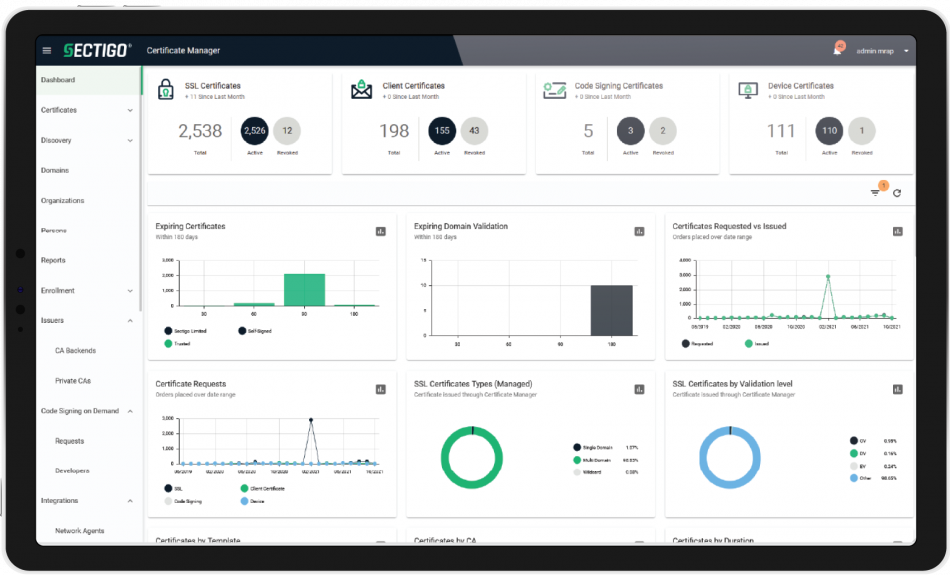
Industry Standards: Compliance with standards like PCI-DSS and HIPAA is vital for organizations dealing with sensitive data, dictating how encryption keys should be managed. Audit and Reporting Requirements: Regular audits are often necessary to demonstrate compliance, necessitating robust logging and reporting capabilities within key management systems.
Understanding these factors is paramount for organizations to mitigate risks and guarantee regulatory compliance in their cloud environments.
Choosing the Right Cloud Provider for Key Management
How can organizations guarantee they select the most appropriate cloud provider for key management? The choice requires careful evaluation of several critical factors.
First, organizations should assess the provider’s security protocols, including encryption standards and access controls, confirming they align with industry best practices.
Next, compliance with relevant regulations, such as GDPR or HIPAA, is essential to avoid legal complications.
Additionally, organizations should consider the provider's scalability and flexibility, which allows for future growth without compromising security.
Service level agreements (SLAs) must also be reviewed to confirm uptime guarantees and support responsiveness.
Finally, organizations should seek providers with a proven track record in key management, bolstered by customer reviews and industry recognition, to confirm reliability and trustworthiness in their operations.
Best Practices for Implementing Automated Key Management
Implementing automated key management requires careful planning and adherence to best practices to maintain security and efficiency.
Organizations should prioritize the following key practices:
Regular Audits and Compliance Checks: Regularly review key management processes to uphold compliance with industry standards and regulations.This helps in identifying vulnerabilities and areas for improvement.
Access Control and Role-Based Permissions: Implement strict access controls to make sure that only authorized personnel can manage keys.Role-based permissions enhance security by limiting exposure to sensitive data.
Automated Key Rotation and Expiry: Establish automated processes for key rotation and expiry to minimize the risk of key compromise.Regularly changing keys ensures that even if a key is exposed, its usability is limited.
Future Trends in Cloud-Based Key Management Systems
With the rapid evolution of technology, cloud-based key management systems are poised to undergo significant transformations in the coming years.
One emerging trend is the integration of artificial intelligence and machine learning, enabling more sophisticated threat detection and automated response strategies.
Additionally, increased regulatory compliance demands will drive the adoption of enhanced encryption techniques and transparent audit mechanisms.
The shift towards hybrid and multi-cloud environments will necessitate interoperability among various key management solutions, facilitating seamless data protection across platforms.
Moreover, the growing emphasis on zero-trust security models will influence key management practices, ensuring that access controls are more granular and adaptive.
These trends collectively signal a future where cloud-based key management becomes increasingly agile, secure, and user-centric.
FAQ
How Do I Migrate Existing Keys to a Cloud-Based System?
Migrating existing keys to a cloud-based system requires careful planning and execution.
First, one should assess the current key inventory and categorize the keys based on usage.
Next, it is essential to choose a reliable cloud service provider that meets security standards.
Following that, the keys can be exported securely, ensuring encryption during the transfer.
Finally, testing the functionality of the keys in the new environment is vital to confirm a successful migration.
What Are the Costs Associated With Cloud Key Management Systems?
The costs associated with cloud key management systems can vary considerably based on several factors. These include the provider's pricing model, the volume of keys managed, and the frequency of access.
Additionally, administrative fees, integration costs, and potential charges for additional security features may apply.
Organizations must evaluate their specific needs and usage patterns to determine an accurate cost estimate, considering both direct expenses and potential savings from improved efficiency and security.
Can Automated Key Management Integrate With Existing Security Tools?
In the dance of security, where threads of protection intertwine, automated key management can indeed harmonize with existing security tools. This integration allows organizations to streamline their operations, enhancing efficiency while maintaining robust security protocols.
What Happens if My Cloud Provider Experiences an Outage?
In the event of a cloud provider experiencing an outage, users may face temporary inaccessibility to their data and services hosted on that platform.
This disruption can hinder operations and lead to potential data loss or corruption if not managed properly. Organizations often rely on backup systems and disaster recovery plans to mitigate such risks.
Evaluating the provider's redundancy measures and outage history is essential for ensuring business continuity during unforeseen events.
How Is Key Lifecycle Management Handled in the Cloud?
Key lifecycle management in the cloud encompasses several stages, including key creation, usage, rotation, and retirement.
It guarantees that cryptographic keys are securely generated and stored while managing their accessibility throughout their lifecycle.
Regular rotation of keys enhances security by minimizing the risk of exposure, while proper retirement procedures assure that outdated keys are securely destroyed.
Effective key lifecycle management is essential for maintaining data integrity and confidentiality within cloud environments.
Conclusion
In summary, automating key management systems in the cloud is akin to installing a state-of-the-art security system in a high-tech fortress. Just as a fortress guards against intruders with advanced surveillance, automated key management enhances security, reduces human error, and guarantees compliance in the digital domain. As organizations increasingly recognize the importance of safeguarding their data, embracing automation will not only streamline operations but will also fortify their defenses against evolving cyber threats.