To simplify PKI automation for IT teams, organizations should focus on automating certificate issuance, renewal, and revocation processes. This reduces human error and operational inefficiencies while improving accuracy and speed. Implementing Certificate Management Systems and monitoring solutions enhances oversight. Establishing standard operating procedures and clear inventories are also essential. Fostering collaboration between IT and security teams aids proactive management. Exploring the latest tools and trends can further streamline PKI automation efforts. Discover more insights on optimizing these processes.
Key Takeaways
- Implement a Certificate Management System to automate issuance, renewal, and revocation processes, reducing manual workload for IT teams. Utilize API integration tools to ensure seamless communication between PKI solutions and existing IT infrastructures, minimizing integration challenges. Establish automated renewal processes to prevent certificate lapses and enhance continuous compliance with minimal manual intervention. Conduct regular audits to identify misconfigured certificates and bolster security, while facilitating collaboration between IT and security teams. Leverage monitoring solutions to track certificate statuses and receive alerts about expirations, improving overall management efficiency.
Understanding the Importance of PKI in Today's Digital Landscape
Why is Public Key Infrastructure (PKI) essential in the current digital landscape?
PKI serves as a foundational framework for securing digital communications and transactions. It provides a mechanism for encrypting data, ensuring that only authorized parties can access sensitive information.
As cyber threats become increasingly sophisticated, the need for robust security measures has never been greater. PKI enables authentication, allowing users and devices to verify each other's identities, which is essential for preventing unauthorized access.
Additionally, it supports digital signatures, ensuring the integrity and authenticity of documents and messages.
In a world where trust is paramount, PKI plays a critical role in enabling secure interactions across various platforms, from e-commerce to cloud services, thereby fostering confidence in digital environments.
Common Challenges Faced by IT Teams in PKI Management
IT teams frequently encounter significant challenges in managing Public Key Infrastructure (PKI), particularly due to the complexity of certificate lifecycles.
Integration with existing systems often leads to compatibility issues, complicating the overall management process.
Additionally, security and compliance concerns further exacerbate these challenges, making PKI a critical area for attention and improvement.
Complexity of Certificate Lifecycles
Managing the complexities of certificate lifecycles poses significant challenges for IT teams involved in PKI management. The process encompasses multiple stages, including issuance, renewal, revocation, and expiration, each requiring meticulous oversight.
Teams often struggle with tracking certificates across various platforms, leading to potential security vulnerabilities if certificates expire unnoticed. Additionally, the manual handling of renewals can result in operational inefficiencies and increased risk of human error.
Compliance requirements also complicate the landscape, as organizations must guarantee that all certificates meet regulatory standards.
Moreover, as the number of devices and applications grows, managing the sheer volume of certificates can overwhelm IT resources, necessitating streamlined processes to maintain security and operational integrity.
Integration With Existing Systems
Although integrating Public Key Infrastructure (PKI) with existing systems is essential for effective management, it often presents significant challenges for organizations.
One major issue is compatibility, as many legacy systems may not support modern PKI standards. Additionally, the complexity of integration can lead to increased downtime and disruptions during the change phase. IT teams frequently face difficulties in ensuring seamless communication between various platforms, resulting in fragmented workflows.
Another challenge lies in the need for detailed training, as staff must understand both the technical aspects of PKI and how it interacts with existing systems.
Finally, organizations may struggle with resource allocation, as integrating PKI often requires substantial time and manpower, diverting attention from other critical IT initiatives.
Security and Compliance Concerns
Numerous security and compliance concerns arise for organizations utilizing Public Key Infrastructure (PKI), posing significant challenges for effective management.
IT teams must navigate the complexities of ensuring that cryptographic keys are generated, stored, and managed securely, as any mismanagement can lead to vulnerabilities.
Compliance with regulations such as GDPR and HIPAA further complicates the landscape, requiring rigorous auditing and documentation practices.
Additionally, the risk of unauthorized access to sensitive data can escalate if proper access controls are not implemented.
Organizations must also contend with the potential for outdated certificates, which can result in service disruptions.
As these challenges accumulate, IT teams are tasked with maintaining security and compliance without compromising operational efficiency, necessitating streamlined automation solutions.
Key Benefits of Automating PKI Processes
Efficiency emerges as a critical advantage when automating Public Key Infrastructure (PKI) processes. Automating these procedures not only streamlines operations but also enhances security and reduces human errors.
IT teams can experience several key benefits, including:
- Increased Speed: Automated systems can issue and renew certificates rapidly, minimizing downtime.
- Cost Savings: Reducing manual interventions decreases labor costs and resource allocation.
- Improved Accuracy: Automation mitigates the risk of errors associated with manual data entry, ensuring reliable certificate management.
- Scalability: As organizations grow, automated PKI processes can easily adapt to increased demands without significant additional investment.
These advantages empower IT teams to focus on strategic initiatives, fostering innovation and improving overall organizational effectiveness.
Steps to Streamline Certificate Management
Streamlining certificate management involves a series of strategic steps that enhance the overall PKI process.
First, organizations should establish a clear inventory of all certificates in use, including their expiration dates and purposes.
Next, implementing automated renewal processes can greatly reduce the risk of lapses in certificate validity.
Regular audits should be conducted to guarantee compliance with security policies and to identify any orphaned or misconfigured certificates.
Additionally, defining standard operating procedures for certificate issuance and revocation can help maintain consistency and security.
Finally, fostering collaboration between IT teams and security personnel is essential for addressing potential vulnerabilities and guaranteeing a proactive approach to certificate management.
These steps collectively lead to a more efficient and secure PKI environment.
Tools and Technologies for Simplifying PKI Automation
In exploring tools and technologies for simplifying PKI automation, it is essential to reflect on various automation tools available in the market.
These tools can greatly enhance the efficiency of certificate management processes when integrated with existing systems.
A thorough understanding of these solutions enables IT teams to streamline operations and reduce manual intervention.
Automation Tools Overview
Numerous automation tools and technologies have emerged to simplify Public Key Infrastructure (PKI) processes for IT teams.
These tools enhance efficiency, reduce manual errors, and streamline certificate management. By leveraging automation, organizations can guarantee consistent security practices and quicker deployment of digital certificates.
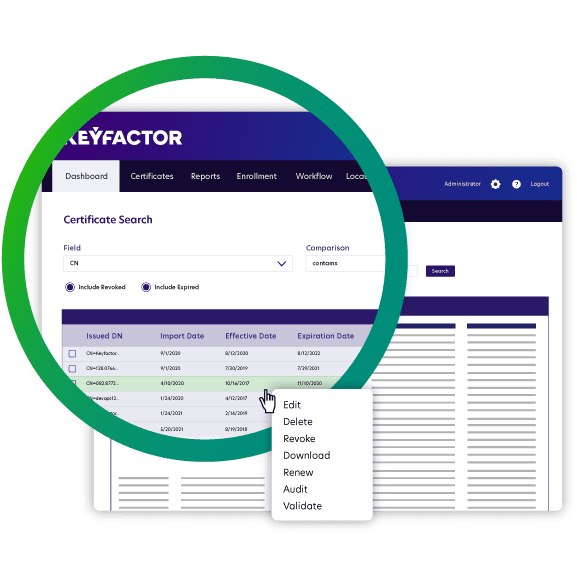
Key automation tools include:
- Certificate Management Systems: Automate the issuance, renewal, and revocation of certificates.
- API Integration Tools: Facilitate seamless communication between PKI solutions and other IT systems.
- Monitoring Solutions: Track certificate statuses and alert teams of upcoming expirations.
- Workflow Automation Platforms: Simplify processes such as approval chains and documentation through predefined workflows.
These tools collectively contribute to a more robust and efficient PKI environment, allowing IT teams to focus on strategic initiatives.
Integration With Existing Systems
While the integration of Public Key Infrastructure (PKI) with existing systems may seem challenging, leveraging the right tools and technologies can greatly ease this process.
Utilizing APIs plays a vital role, enabling seamless communication between PKI solutions and various applications. Automation platforms can facilitate certificate management, reducing manual efforts and minimizing errors.
Additionally, cloud-based PKI services offer scalability and flexibility, allowing organizations to adapt to changing needs without extensive infrastructure changes. Security Information and Event Management (SIEM) systems can enhance monitoring and compliance by integrating PKI logs and alerts.
Best Practices for Implementing PKI Automation
Implementing PKI automation requires careful consideration of best practices to assure effectiveness and security. Organizations must adopt a systematic approach to guarantee seamless integration and ideal performance.
Implementing PKI automation demands careful planning and best practices to ensure seamless integration and optimal security.
Key practices include:
- Establish Clear Policies: Define roles, responsibilities, and procedures for certificate management to minimize risks.
- Regular Audits and Monitoring: Conduct periodic reviews to assess security posture and compliance with established policies.
- Utilize Strong Authentication Methods: Implement multi-factor authentication to safeguard access to PKI systems.
- Automate Certificate Lifecycles: Streamline issuance, renewal, and revocation processes to reduce manual errors and enhance efficiency.
Future Trends in PKI Automation and Security

The evolution of PKI automation is poised to transform the landscape of digital security, reflecting a growing emphasis on efficiency and resilience.
Future trends indicate a shift towards integration with artificial intelligence and machine learning, enabling proactive threat detection and response. Enhanced automation will streamline certificate lifecycle management, reducing human error and operational costs.
Furthermore, the rise of quantum computing presents both challenges and opportunities, prompting the development of quantum-resistant algorithms. Organizations are likely to adopt decentralized PKI models, enhancing trust and reducing single points of failure.
As regulatory compliance becomes increasingly stringent, automated auditing and reporting will become essential. Ultimately, these trends will foster a more robust and adaptive PKI ecosystem, addressing the evolving needs of digital security.
FAQ
What Is the Cost of Implementing PKI Automation Solutions?
The cost of implementing PKI automation solutions can vary considerably based on several factors, including the size of the organization, the complexity of the existing infrastructure, and the specific features required.
Organizations may incur expenses related to software licensing, hardware, personnel training, and ongoing maintenance.
Additionally, companies must consider potential savings from increased efficiency and reduced human error, which can offset initial implementation costs over time, leading to a more favorable return on investment.
How Long Does It Take to See Results From PKI Automation?
In the world of technology, time often feels like sand slipping through one's fingers.
The timeline for seeing results from PKI automation can vary, typically ranging from a few weeks to several months. Factors influencing this duration include the complexity of the existing infrastructure, the specific automation tools employed, and the team's expertise.
However, organizations may begin to notice improvements in efficiency and security almost immediately after implementation.
Are There Specific Industries That Benefit Most From PKI Automation?
Certain industries derive significant advantages from PKI automation, particularly those that prioritize security and compliance, such as finance, healthcare, and government.
In these sectors, the management of digital certificates and secure communications is essential.
Additionally, organizations in technology and telecommunications benefit, as they frequently deal with sensitive data and require robust encryption.
What Skills Are Needed for IT Teams to Manage PKI Automation?
In the intricate web of digital security, IT teams require a diverse skill set to effectively manage PKI automation.

Proficiency in cryptography and certificate management forms the foundation, akin to a locksmith mastering their trade. Knowledge of network https://ps3coderz.com/worlds-leading-pki-management-solution/ security and cloud technologies is essential, while familiarity with scripting languages enhances automation efficiency.
Additionally, strong problem-solving abilities and a keen understanding of compliance regulations guarantee that teams navigate the complex landscape of PKI with ease.
Can PKI Automation Integrate With Existing IT Infrastructure?
PKI automation can indeed integrate with existing IT infrastructure. By leveraging APIs and middleware, organizations can connect PKI solutions to various systems, enhancing interoperability.
This integration facilitates streamlined certificate management, enabling automated issuance, renewal, and revocation processes.
Additionally, existing monitoring and management tools can be utilized to oversee the PKI environment, ensuring consistency and security within the broader IT framework.
Ultimately, successful integration can lead to increased efficiency and reduced operational risks.
Conclusion
In summary, simplifying PKI automation is vital for IT teams maneuvering the complexities of digital security. With a staggering 80% of data breaches tied to weak or compromised credentials, the need for robust PKI management has never been more pressing. By addressing common challenges and leveraging automation tools, organizations can enhance their security posture while streamlining certificate management processes. Embracing these best practices will not only improve efficiency but also fortify defenses against evolving cyber threats.